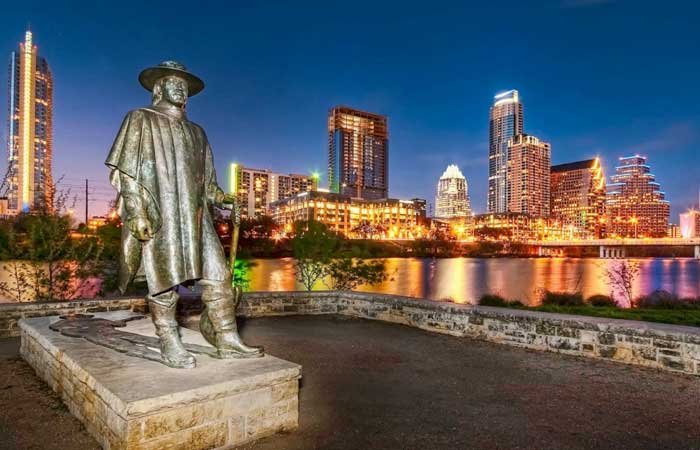
Austin, the capital of Texas, is a dynamic city known for its eclectic culture, lively music scene, and unique blend of modern and historic architecture. Often referred to as the “Live Music Capital of the World,” Austin is a hub for creativity, technology, and outdoor activities. Whether you’re exploring its rich history, enjoying the outdoors, or diving into its vibrant arts and entertainment scene, Austin offers something for every type of traveler.
Austin’s architecture is a striking mix of traditional and modern designs, reflecting the city’s rapid growth and creative spirit. The Texas State Capitol, with its stunning pink granite exterior, is one of the most prominent landmarks in the city. The building’s classical design, combined with lush grounds, offers visitors a glimpse into the state’s political history.
In contrast, Austin’s downtown is home to sleek, modern skyscrapers like the Frost Tower and The Independent, which stands out as the tallest residential building in Texas. The Waller Creek District is another area of urban development, showcasing sustainable and innovative architecture that’s reshaping the city’s landscape.
The city is also known for its preservation of historic buildings, particularly in areas like Rainey Street and East Austin, where charming bungalow-style houses and renovated historic structures house some of the city’s best restaurants and bars. Austin embraces both old and new, creating an exciting urban environment.
Austin’s history dates back to the 1830s when it was first established as a military outpost. The city was named after Stephen F. Austin, the “Father of Texas.” It became the capital of the Republic of Texas in 1839 and remained the state capital after Texas joined the Union in 1845. The city’s early history is deeply connected to the Texas Revolution, with important historical sites like the Texas State Cemetery and Battle of the Alamo (in nearby San Antonio) offering insights into the state’s fight for independence.
Austin is also known for its role in the development of the Texas music scene. In the mid-20th century, the city began to establish itself as a centre for country, blues, and rock music. The South Congress Avenue area is known for its lively music venues, and the annual South by Southwest (SXSW) festival, which started in 1987, draws music, film, and technology enthusiasts from around the world.
Austin is packed with things to see and do for every interest. For nature lovers, Zilker Park offers green space for picnics, kayaking, and outdoor concerts. The Barton Springs Pool, located in Zilker Park, is a spring-fed swimming pool with crystal-clear water, perfect for cooling off during the hot Texas summers.
The Lady Bird Lake Hike and Bike Trail is a popular spot for cycling, jogging, and paddle-boarding, offering beautiful views of the city skyline. For a taste of Austin’s live music scene, visit 6th Street, known for its lively bars, clubs, and live performances. The Continental Club is a legendary venue where you can catch some of the best live music in the city.
Austin is also known for its food scene, particularly its barbecue and Tex-Mex cuisine. Franklin Barbecue, consistently ranked as one of the best barbecue joints in the country, is a must-visit. The city’s food trucks, especially those near South Congress Avenue, offer a variety of international flavours and local dishes.
For art enthusiasts, the Blanton Museum of Art and The Contemporary Austin showcase a mix of contemporary and classic art, while the Graffiti Park at Castle Hill is an open-air museum featuring vibrant street art. Visitors can also explore Mount Bonnell for panoramic views of the city or take a boat tour along the Colorado River (often called Lake Austin) to see the scenic landscape.
The best time to visit Austin is in the spring (March to May) and fall (September to November) when the weather is mild and the city is buzzing with festivals. Spring is particularly exciting due to the SXSW Festival in March, which attracts thousands of people from around the world for music, film, and technology events. The fall months offer cooler temperatures, making it perfect for outdoor activities and enjoying the fall foliage in local parks.
Summer (June to August) in Austin can be hot, with temperatures often exceeding 100°F (38°C). However, this is also when many of the city’s outdoor festivals and events take place. Winter (December to February) is typically mild, making it a great time for those looking to avoid the crowds and enjoy a quieter visit.
Austin is a city that effortlessly blends history, culture, and innovation. With its eclectic architecture, rich Texan history, and vibrant music scene, it’s a destination that offers something for everyone. Whether you’re exploring its outdoor attractions, indulging in its culinary delights, or enjoying live music, Austin is a must-visit city in Texas. The best times to visit are in the spring and fall, but Austin’s year-round appeal makes it a perfect destination no matter the season.