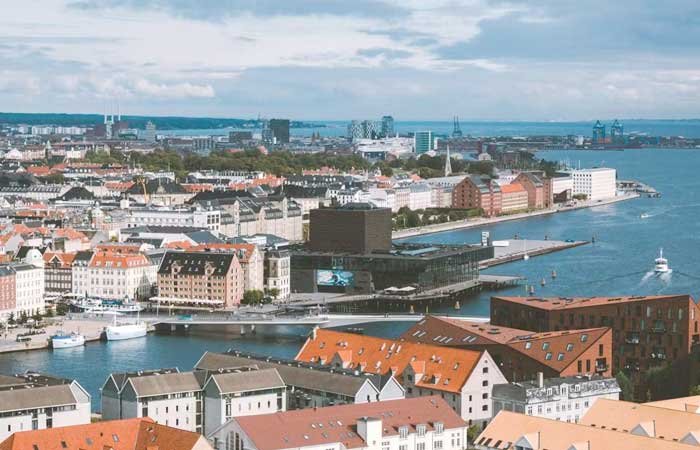
Copenhagen, the capital of Denmark, is a vibrant city known for its rich history, stunning architecture, and sustainable lifestyle. As one of Scandinavia’s most popular destinations, Copenhagen seamlessly blends medieval charm with modern design, offering visitors a unique experience of art, culture, and natural beauty. Whether you’re interested in exploring its historic landmarks, enjoying its world-class dining scene, or relaxing in its green spaces, Copenhagen is a city that offers something for everyone.
Copenhagen’s architecture is a captivating mix of traditional and contemporary designs. The city’s iconic Nyhavn district, with its colourful 17th-century townhouses lining the canal, offers one of the most picturesque scenes in Copenhagen. The Rosenborg Castle, a Renaissance-style palace, and the nearby Amalienborg Palace, home to the Danish royal family, showcase the city’s royal history and classical architectural style.
On the other hand, Copenhagen also embraces modern architecture, with districts like Vesterbro and Nørrebro offering a variety of sleek, innovative designs. The Copenhagen Opera House and The Black Diamond (the Royal Danish Library) are prime examples of the city’s contemporary architectural achievements, with bold lines and cutting-edge materials that reflect Denmark’s progressive approach to design.
A major focus of Copenhagen’s architecture is sustainability. The city has a reputation for eco-friendly urban planning, with green roofs, energy-efficient buildings, and cycling infrastructure integrated throughout the city. Copenhagen has been recognised as one of the world’s most sustainable cities, setting a high standard for urban development.
Copenhagen’s history dates back to the early Middle Ages, and the city has played a significant role in Danish culture and politics. Originally a small fishing village, it became the capital of Denmark in the 15th century. Over the centuries, Copenhagen has grown into a major European cultural and economic center.
The city’s historical landmarks, such as Christiansborg Palace and Frederiksborg Castle, reflect Copenhagen’s royal and political history. The National Museum of Denmark provides a deeper look into Denmark’s cultural history, including artifacts from the Viking Age and the Renaissance.
Copenhagen’s history is also deeply tied to its maritime heritage. The Nyhavn Canal, once a busy port, is now a popular spot for tourists but still echoes the city’s seafaring past. The National Gallery of Denmark (Statens Museum for Kunst) and Kastellet, an old military fortress, also offer insights into the city’s role in European history.
Copenhagen offers a wealth of attractions for all types of travellers. The world-famous Tivoli Gardens, one of the oldest amusement parks in the world, is a must-see, with its beautiful gardens, historic rides, and entertainment. The Little Mermaid statue, inspired by Hans Christian Andersen’s fairy tale, is another iconic symbol of the city.
For art lovers, the Louisiana Museum of Modern Art, located just outside Copenhagen, is a stunning museum that blends contemporary art with views of the surrounding coastline. The Christianshavn district, home to the famous Freetown Christiania, is known for its alternative lifestyle, unique architecture, and cultural diversity.
Copenhagen is also famous for its culinary scene. The city boasts several Michelin-starred restaurants, including Noma, often cited as one of the best restaurants in the world. Visitors can also explore the vibrant food markets, such as Torvehallerne and Copenhagen Street Food on Papirøen, which offer a diverse range of local and international dishes.
Cycling is a popular activity in Copenhagen, and the city is known for being one of the most bike-friendly places in the world. Visitors can rent bikes and explore the city’s scenic canals, parks, and neighborhoods like Frederiksberg and Kongens Have.
The best time to visit Copenhagen is during the summer months (June to August) when the weather is warm, and the city comes alive with outdoor festivals, concerts, and activities. The long days of summer allow visitors to fully enjoy the city’s parks, gardens, and outdoor dining spaces.
Spring (April to May) and Autumn (September to October) are also great times to visit, offering mild weather, fewer tourists, and beautiful scenery, especially in the city’s parks and along the waterfront. Winter (December to February) in Copenhagen is charming, with Christmas markets, cozy cafes, and the festive atmosphere in Tivoli Gardens making it a magical time to visit, despite the cold temperatures.
Copenhagen is a city that perfectly balances history, modernity, and sustainability. Whether you are exploring its architectural landmarks, immersing yourself in its rich cultural scene, or enjoying its culinary delights, there is something for everyone in this Scandinavian gem. With the best times to visit being in the summer and fall, Copenhagen is an ideal destination year-round, offering visitors a unique and memorable experience in one of Europe’s most beautiful and forward-thinking cities.