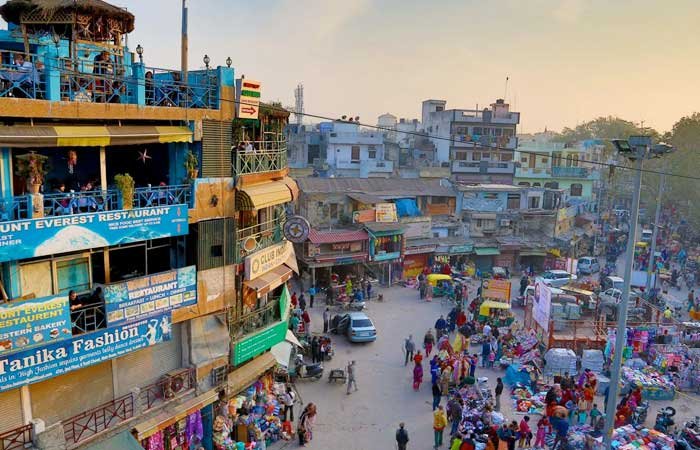
Delhi, the capital city of India, is a dynamic metropolis that offers a captivating blend of ancient history, vibrant culture, and modern development. As one of the most populous and diverse cities in the world, Delhi is a fusion of old-world charm and modernity. From historical monuments to contemporary shopping districts, Delhi has something for every type of traveler. Whether you’re interested in exploring its rich architectural heritage, savouring local cuisine, or immersing yourself in its bustling markets, Delhi is a city worth discovering.
Delhi’s architecture is a stunning mix of ancient Mughal, colonial, and modern designs. The city is home to some of the most iconic landmarks in India, including the Red Fort, a UNESCO World Heritage Site, which was built in the mid-17th century by the Mughal Emperor Shah Jahan. The fort’s grand red sandstone walls, impressive gates, and sprawling courtyards are a testament to Mughal architectural brilliance.
Another architectural gem is Qutub Minar, the tallest brick minaret in the world, built in the 12th century. Its intricate carvings and Islamic calligraphy make it an important example of Indo-Islamic architecture. The India Gate, a war memorial built in the 20th century, is an iconic symbol of India’s struggle for independence, showcasing colonial-era architecture with its archway and granite structure.
Delhi’s Lotus Temple, shaped like a lotus flower, is a stunning example of modern architecture, serving as a place of worship for people of all faiths. Additionally, Akshardham Temple offers a fusion of traditional and contemporary architectural styles, with intricate carvings and expansive gardens. The Parliament House and Rashtrapati Bhavan are key examples of British colonial architecture and serve as symbols of India’s political heritage.
Delhi’s history spans over 2,500 years, and it has been the seat of several powerful dynasties, including the Mauryas, Guptas, Mughals, and the British Empire. The city has seen the rise and fall of empires, and it has witnessed key events in India’s struggle for independence. It was the capital of several ancient kingdoms and was later chosen as the capital of British India in the 19th century.
In the medieval period, Delhi became the centre of the Mughal Empire, which left behind architectural masterpieces like the Red Fort, Jama Masjid, and Humayun’s Tomb. After India’s independence in 1947, Delhi became the capital of the Republic of India, with a growing influence on politics, culture, and economy.
Delhi offers an endless array of things to see and do. For history lovers, the Red Fort, Qutub Minar, and Humayun’s Tomb are must-see landmarks that showcase the city’s architectural heritage. The Jama Masjid, one of the largest mosques in India, offers a glimpse into Mughal grandeur, while the Lal Qila (Red Fort) represents the peak of Mughal architecture.
For a more modern experience, visit Connaught Place, a bustling shopping and dining district, or Dilli Haat, an open-air market that offers handicrafts and traditional Indian textiles. The National Museum and Gandhi Smriti provide insight into India’s history and the life of Mahatma Gandhi.
Chandni Chowk, one of Delhi’s oldest markets, is a must-visit for food lovers and shoppers alike. The narrow lanes are filled with street vendors selling samosas, chole bhature, and jalebis. For a spiritual experience, the Golden Temple in Bangla Sahib Gurudwara offers a peaceful atmosphere, where visitors can meditate and learn about the Sikh religion.
If you’re looking for a serene escape, Lodhi Gardens and the Nehru Park provide green spaces perfect for relaxation. The Lotus Temple and Akshardham Temple also offer tranquil environments to reflect and enjoy their architectural beauty.
The best time to visit Delhi is during the winter months (October to March) when the weather is cool and pleasant. This is ideal for sightseeing, as the temperatures range from 7°C to 20°C (44°F to 68°F). November to February is the peak tourist season, offering clear skies and comfortable conditions for outdoor activities.
Summer (April to June) in Delhi can be extremely hot, with temperatures soaring above 40°C (104°F), making it less ideal for outdoor exploration. However, monsoon season (July to September) offers some relief from the heat but comes with humidity and occasional rain, which can disrupt travel plans.
Delhi, India’s capital city, is a captivating blend of historical landmarks, modern architecture, and vibrant culture. From the iconic Red Fort and Qutub Minar to the Lotus Temple and bustling markets like Chandni Chowk, Delhi offers a wide range of experiences for travellers. The best time to visit is during the cooler months (October to March), allowing visitors to fully immerse themselves in the city’s diverse attractions. Whether you are interested in history, shopping, food, or spirituality, Delhi is a city that promises a memorable experience.