Kuala Lumpur (KL), the capital city of Malaysia, is a vibrant, fast-paced metropolis known for its striking architecture, diverse culture, and dynamic energy. As a global financial hub, Kuala Lumpur offers a blend of modern skyscrapers, colonial landmarks, and vibrant street markets. Whether you’re interested in exploring the city’s rich history, shopping in world-class malls, or savouring delicious local cuisine, Kuala Lumpur has something for every traveler.
Kuala Lumpur’s architecture is a stunning blend of modern skyscrapers, colonial-era buildings, and traditional Malay designs. The Petronas Twin Towers, once the tallest buildings in the world, are the city’s most iconic landmark. These twin towers, designed in a modern Islamic style, dominate the skyline and offer an observation deck with panoramic views of the city.
Another architectural marvel is the Menara KL Tower, which is one of the tallest communication towers in the world, offering an observation deck and a revolving restaurant. For a taste of Kuala Lumpur’s colonial past, visit Sultan Abdul Samad Building, a striking example of Moorish-style architecture, which houses government offices and stands as a symbol of Malaysia’s British colonial era.
The city also showcases modernist designs through structures like the Suria KLCC shopping mall and the KL Sentral Station, blending urban development with functional design. In contrast, you can find the Merdeka Square, with its St. Mary’s Anglican Cathedral and National Mosque (Masjid Negara), offering a fusion of Islamic and Western influences in their architecture.
Kuala Lumpur, founded in 1857 as a tin mining town, quickly grew into a bustling trade centre. The city’s name, which means “muddy confluence” in Malay, comes from its location at the confluence of the Klang and Gombak Rivers. Over the years, Kuala Lumpur transformed from a small mining settlement to the thriving capital of Malaysia.
During the British colonial period, Kuala Lumpur became an important administrative and trade centre. The Sultan Abdul Samad Building, built in the late 19th century, stands as a reminder of this era. After World War II, Kuala Lumpur played a pivotal role in Malaysia’s journey to independence, which was achieved in 1957.
Since then, Kuala Lumpur has grown rapidly, becoming one of the most developed cities in Southeast Asia. It is now a major business, cultural, and tourism hub, attracting visitors from around the world with its combination of modernity and tradition.
Kuala Lumpur offers a wide variety of attractions, from cultural experiences to modern entertainment. A visit to the Petronas Twin Towers is a must for anyone visiting the city, where you can enjoy spectacular views of the skyline from the observation deck. Nearby, KLCC Park offers lush greenery and a serene spot to relax.
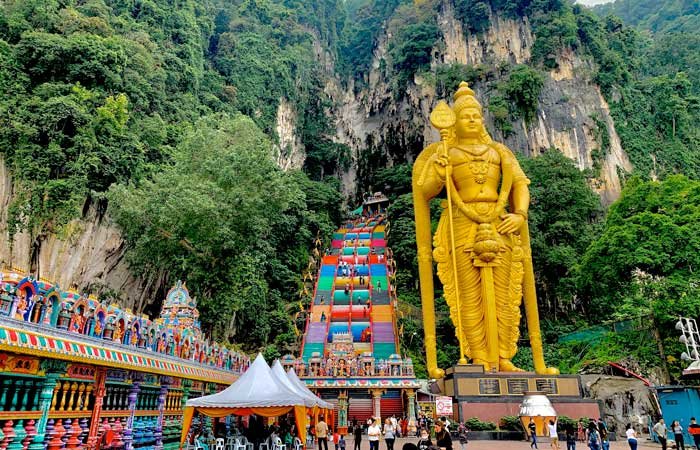
For history enthusiasts, explore the Islamic Arts Museum Malaysia, which houses one of the world’s finest collections of Islamic art. The Batu Caves, a series of limestone caves and temples located just outside the city, are also a major cultural and religious site, famous for their giant statue of Lord Murugan and the steps leading up to the temple.
Kuala Lumpur’s Chinatown is perfect for shopping and dining, with street markets selling everything from fresh produce to traditional crafts. Petaling Street offers a lively atmosphere, especially in the evening. For a more upscale shopping experience, head to Bukit Bintang, home to luxurious malls like Pavilion KL and Lot 10.
Merdeka Square is another important landmark, where you can find the Sultan Abdul Samad Building and the National Textile Museum. The Central Market is ideal for picking up souvenirs, local handicrafts, and artwork.
If you enjoy outdoor activities, visit KL Bird Park, one of the world’s largest covered bird parks, or explore the Lake Gardens and Perdana Botanical Garden for a relaxing day in nature.
For food lovers, Kuala Lumpur’s street food is renowned worldwide. Don’t miss out on dishes like char kway teow, nasi lemak, and roti canai at local food stalls. You can also explore Jalan Alor, a famous street for food and nightlife.
Kuala Lumpur has a tropical climate, with warm temperatures and high humidity year-round. The best time to visit is during the dry season, from May to July, when the weather is relatively cooler and less rainy. December to February is another good time, as the city enjoys pleasant temperatures and fewer chances of rain, though it’s also the peak tourist season.
The rainy season, from March to April and August to October, can be unpredictable with heavy afternoon showers, but the rain usually doesn’t last long. Despite the weather, the city remains lively year-round, and there are always plenty of indoor activities, like visiting museums, shopping, and dining, to enjoy.
Kuala Lumpur, Malaysia’s vibrant capital, is a city of contrasts, offering a perfect blend of modern skyscrapers, colonial architecture, and rich cultural heritage. Whether you’re exploring the iconic Petronas Towers, shopping at luxury malls, or savouring local street food, Kuala Lumpur has something for everyone. The best time to visit is during the dry season, from May to July, for pleasant weather. With its mix of history, modernity, and cultural experiences, Kuala Lumpur is a must-visit destination for travellers exploring Southeast Asia.