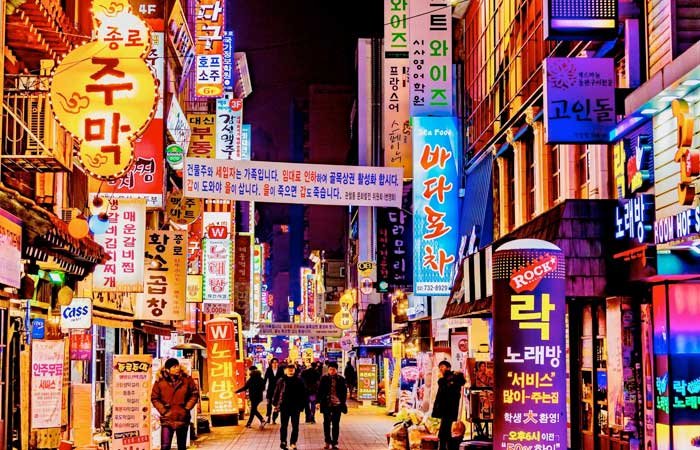
Seoul, the capital city of South Korea, is a vibrant metropolis that blends rich history with modern innovation. Known for its stunning skyline, historical landmarks, and cutting-edge technology, Seoul offers a diverse range of attractions and activities for travellers. From ancient palaces to bustling shopping districts, there’s something for everyone in this dynamic city.
Seoul’s architecture is a captivating fusion of traditional Korean designs and modern skyscrapers. One of the city’s most iconic landmarks is Gyeongbokgung Palace, a stunning example of Joseon Dynasty architecture, featuring beautiful wooden structures, ornate gates, and courtyards. This historic palace, built in 1395, stands as a symbol of Korean heritage and is a must-visit attraction in Seoul.
In contrast, Seoul’s skyline is dominated by sleek modern skyscrapers and contemporary buildings. The Lotte World Tower, South Korea’s tallest building, stands at 555 meters (1,819 feet) and offers panoramic views of the city from its observation deck. The Dongdaemun Design Plaza (DDP), designed by renowned architect Zaha Hadid, is another striking example of modern architecture, with its futuristic curves and innovative design.
Seoul also embraces traditional Korean hanok houses, particularly in areas like Bukchon Hanok Village. This well-preserved neighbourhood features narrow alleys lined with traditional wooden homes, offering a glimpse into Seoul’s architectural past. The contrast between these historical homes and the city’s modern developments makes Seoul an exciting destination for architecture enthusiasts.
Seoul has a rich history that spans over two thousand years. Originally established as the capital of the Baekje Kingdom in 18 BCE, Seoul became the capital of the Joseon Dynasty in 1394 and remained so until the end of the monarchy in 1910. The city has undergone significant transformations throughout the centuries, including invasions, Japanese occupation, and the Korean War, which left a lasting impact on its landscape and people.
During the Joseon Dynasty, Seoul was the center of Korean politics, culture, and education. The palaces, temples, and fortresses from this era, such as Changdeokgung Palace and Namsan Seoul Tower, provide insight into the city’s royal past. After the Korean War, Seoul was rebuilt rapidly and became an economic powerhouse, symbolising South Korea’s modernisation and growth.
Today, Seoul is a global city that combines its historical roots with modern technological advancements, making it one of the most influential and vibrant cities in Asia.
There is no shortage of things to see and do in Seoul. For history lovers, a visit to the Gyeongbokgung Palace, Changdeokgung Palace, and National Museum of Korea is essential. Bukchon Hanok Village offers a step back in time, where visitors can wander through ancient alleys and visit traditional hanok homes.
For a more contemporary experience, explore Myeongdong, a bustling shopping district famous for its cosmetics stores, fashion boutiques, and street food. The Insadong neighborhood is known for its art galleries, tea houses, and traditional Korean crafts, making it an excellent place to experience local culture.
Namsan Seoul Tower offers stunning panoramic views of the city, and Han River parks are perfect for a relaxing day of cycling, picnicking, or boat rides. Dongdaemun Design Plaza and the Lotte World Mall provide modern shopping and entertainment options, while Korean War Memorial offers a somber and educational experience about the Korean War.
Seoul is also famous for its food scene. Don’t miss traditional dishes such as bibimbap, bulgogi, and kimchi, as well as the vibrant street food offerings in areas like Gwangjang Market and Namdaemun Market. For a unique experience, visit a Korean spa (jjimjilbang), where you can relax in hot saunas and enjoy various treatments.
The best time to visit Seoul is during the spring (April to June) and fall (September to November), when the weather is mild, and the city is at its most beautiful. Spring is famous for its cherry blossoms, especially in parks like Yeouido Park and Namsan, while fall offers vibrant autumn foliage, particularly in areas like Seoul Forest and Bukhansan National Park.
Summer (July to August) can be hot and humid, with occasional rain due to the monsoon season, making outdoor activities less comfortable. However, this is a great time to enjoy indoor attractions, shopping, and dining. Winter (December to February) is cold and dry, but it offers a unique experience with festive decorations, ice skating, and the chance to visit ski resorts near Seoul.
Seoul, South Korea, is a city that seamlessly blends the old with the new. Its rich history, stunning architecture, and exciting modern attractions make it a top destination for travellers. Whether you’re exploring ancient palaces, shopping in vibrant districts, or savouring delicious Korean cuisine, Seoul offers a wide variety of experiences. The best times to visit are during spring and fall, when the weather is ideal for outdoor activities and sightseeing. With its unique mix of history, culture, and innovation, Seoul is a must-visit destination for anyone exploring East Asia.