Sofia, the capital city of Bulgaria, is a vibrant and historically rich destination located at the foot of Mount Vitosha in the western part of the country. With a history dating back over 2,000 years, Sofia is a fascinating blend of ancient heritage and modern developments, offering a unique window into Bulgaria’s past and present.
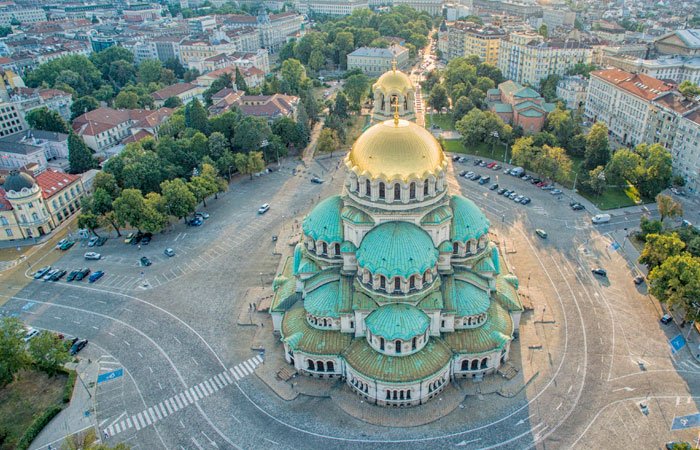
The architecture of Sofia reflects the city’s rich history and diverse cultural influences. The city showcases a wide range of architectural styles, from Roman and Ottoman to Soviet-era and contemporary designs. One of the most iconic structures is the Alexander Nevsky Cathedral, an impressive example of Neo-Byzantine architecture with its golden domes and intricate mosaics. The Boyana Church, a UNESCO World Heritage Site, is another architectural marvel, renowned for its 13th-century frescoes that are considered masterpieces of medieval art.
Sofia’s streets are lined with neoclassical buildings from the 19th and early 20th centuries, such as the National Assembly Building and the National Art Gallery, which stand alongside Soviet-style concrete buildings that reflect Bulgaria’s communist past. The contrast between old and new is evident throughout Sofia, with modern glass skyscrapers standing alongside ancient Roman ruins. The Roman Serdica Complex, a well-preserved archaeological site beneath the city, offers a glimpse into Sofia’s time as the Roman city of Serdica.
Sofia has a long and fascinating history, influenced by numerous civilisations. It has been inhabited since ancient times, with evidence of Thracian, Roman, Byzantine, and Ottoman presence. The city’s strategic location made it an important cultural and political center. As Serdica, it was a prominent Roman city in the 1st century AD and served as a crossroads for trade and military routes.
After the fall of the Roman Empire, Sofia became part of the Byzantine Empire and later the Ottoman Empire, which ruled the city for nearly 500 years. The Ottoman legacy can still be seen in Sofia’s mosques and Ottoman-style buildings. In the late 19th century, Bulgaria gained independence, and Sofia became the capital of the newly formed Bulgarian state. The city underwent significant modernisation during the 20th century, especially during the socialist period.
Sofia offers a rich mix of historical landmarks, cultural institutions, and natural beauty. For history enthusiasts, the National Historical Museum provides a comprehensive overview of Bulgaria’s past, while the Archaeological Museum houses artifacts from the Roman and Byzantine periods. Vitosha Boulevard, Sofia’s main shopping street, is lined with shops, cafes, and restaurants, making it the perfect place for a leisurely stroll.
Nature lovers can enjoy the nearby Vitosha Mountain, which is accessible by public transport and offers hiking, skiing, and panoramic views of the city. For a taste of the local culture, visit the Central Market Hall or experience the city’s vibrant nightlife, especially in the areas around Shishman Street and Samovodska Charshiya.
The best time to visit Sofia depends on the experience you’re seeking. Spring (April to June) and autumn (September to October) offer pleasant temperatures, making it ideal for outdoor activities and sightseeing. Summer (July to August) is warm but can be crowded with tourists. Winter (December to February) is perfect for those interested in winter sports at Vitosha Mountain, though the weather can be cold and snowy.
Whether you’re a history buff, nature enthusiast, or culture seeker, Sofia offers a rich and rewarding experience year-round.