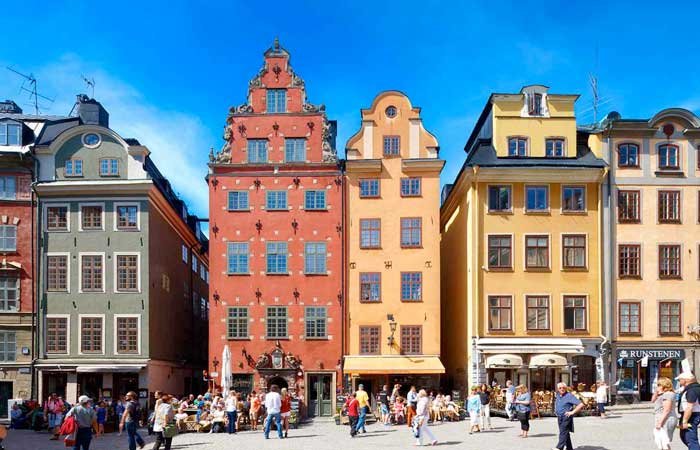
Stockholm, the capital of Sweden, is a city that beautifully blends history, culture, and modernity. With its picturesque archipelago, stunning architecture, and rich historical landmarks, Stockholm offers visitors a unique and unforgettable experience. Situated on 14 islands and connected by over 50 bridges, Stockholm is often referred to as the “Venice of the North.” This vibrant metropolis is a prime destination for anyone interested in art, history, nature, and innovative design.
Stockholm’s architecture is a fascinating mix of medieval, baroque, and contemporary styles. The historic heart of the city, Gamla Stan (the Old Town), is a charming maze of narrow cobblestone streets, colourful buildings, and ancient landmarks, including the Royal Palace and Storkyrkan (Stockholm Cathedral). The architecture in Gamla Stan reflects Stockholm’s rich history dating back to the 13th century.
In contrast, areas like Södermalm and Norrmalm showcase Stockholm’s modern design sensibilities. The city is renowned for its minimalist, functional, and eco-friendly architecture, particularly in newer districts like Kista and Hammarby Sjöstad, where sustainability is a priority. The City Hall (Stadshuset), with its iconic tower and golden spire, is an example of early 20th-century architecture and home to the Nobel Prize banquet.
Founded in the 13th century, Stockholm’s strategic location at the junction of Lake Mälaren and the Baltic Sea allowed it to develop into a crucial hub for trade, politics, and culture. It served as the capital of Sweden from the 13th century onward and has witnessed the rise and fall of empires, the establishment of the Swedish monarchy, and numerous historical events. Visitors can explore the Vasa Museum, where the well-preserved 17th-century warship Vasa is housed, or the Royal Palace, one of the largest and most well-preserved palaces in Europe, still functioning as the official residence of the Swedish monarch.
The city’s long history is also reflected in museums, such as the Nobel Museum and the Swedish History Museum, which provide insights into Sweden’s cultural heritage and global influence.
Stockholm offers a wealth of attractions for all types of travellers. Nature lovers can explore the beautiful Stockholm Archipelago, which consists of thousands of islands, ideal for hiking, kayaking, and sailing. The Skansen Open-Air Museum provides a deep dive into Swedish culture and history with historic buildings, traditional crafts, and wildlife exhibits.
Art enthusiasts will find plenty to admire at the Moderna Museet, featuring contemporary art, and Fotografiska, a world-renowned photography museum. For a more leisurely experience, stroll through Djurgården, a peaceful island park that houses both the Vasa Museum and ABBA The Museum.
The best time to visit Stockholm is during the late spring (May and June) and summer (July and August), when the weather is mild, and the days are long with up to 18 hours of daylight. The city comes alive during these months with festivals, outdoor concerts, and events. Autumn (September and October) also offers a beautiful display of fall foliage, while winter (December to February) brings a magical atmosphere with Christmas markets and the possibility of snow-covered landscapes, perfect for those interested in winter sports.
Stockholm is a city that offers an unforgettable blend of historical charm, modern design, and natural beauty. Whether you are drawn to its stunning architecture, rich cultural heritage, or outdoor adventures, there is something for everyone. With the best times to visit being during the summer months and early fall, Stockholm is a must-visit destination for those exploring Scandinavia.