Warsaw, the capital city of Poland, is a dynamic and historic destination that seamlessly blends modernity with its rich past. Located on the Vistula River, Warsaw is a cultural and political hub of the country. Visitors to Warsaw will be captivated by its diverse architecture, fascinating history, and an abundance of attractions that make it a must-visit destination. Whether you’re exploring Warsaw’s medieval charm or modern vibrancy, there’s something for everyone in this exciting city.
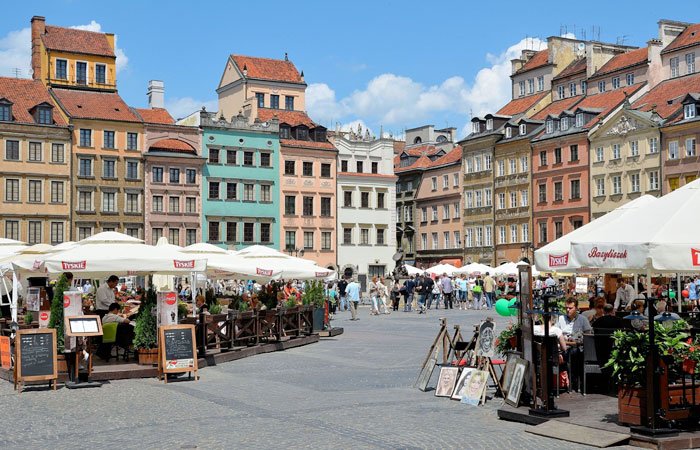
The architecture of Warsaw reflects the city’s complex history. From Gothic and Baroque buildings to neoclassical and modernist structures, Warsaw showcases a wide range of architectural styles. The Old Town (Stare Miasto) is the heart of the city and a UNESCO World Heritage site, meticulously rebuilt after World War II, following its near-total destruction. The Royal Castle, an iconic landmark in the Old Town, is a stunning example of Baroque architecture, offering visitors a glimpse into Poland’s royal past.
In contrast, Warsaw’s modern side is exemplified by the Palace of Culture and Science, an imposing Soviet-era skyscraper that stands as a symbol of the city’s communist history. For contemporary architecture, head to areas like Zlote Tarasy, a modern shopping mall with a striking glass roof, or explore the Warsaw Spire, one of the tallest office buildings in Poland.
Warsaw’s history dates back to the 13th century, but the city has undergone dramatic changes throughout the centuries. As the political centre of Poland, Warsaw has been at the heart of many key historical events, including the Polish Uprising of 1944 and the city’s destruction during World War II. The devastation of the war resulted in the loss of much of Warsaw’s original architecture, but thanks to extensive post-war reconstruction efforts, the Old Town was rebuilt to its former glory.
One of the most poignant historical sites is the Warsaw Uprising Museum, dedicated to the 1944 Uprising against Nazi occupation. The POLIN Museum of the History of Polish Jews offers a deep dive into the rich cultural and historical legacy of Poland’s Jewish population.
Warsaw offers a wide variety of activities and attractions for all types of visitors. History enthusiasts can visit the Royal Łazienki Park, home to the Łazienki Palace and the famous Chopin Monument, where the annual Chopin concerts take place. Art lovers can explore the National Museum and the Zachęta National Gallery of Art for contemporary and classical works.
For shopping and entertainment, Nowy Świat is a bustling street lined with charming shops, cafes, and restaurants, while Warsaw’s Old Town Market Square is a beautiful place to wander, surrounded by colourful buildings and outdoor cafes.
Nature lovers will appreciate the vast green spaces of Saxon Garden and the Vistula Boulevards, which offer picturesque views of the river.
The best time to visit Warsaw is during the spring (April to June) and autumn (September to October) when the weather is mild and perfect for sightseeing. Summer (June to August) is the peak tourist season, offering warm weather and outdoor festivals, but it can be crowded. Winter (December to February) brings colder temperatures, but it’s also the best time to experience Warsaw’s charming Christmas markets and enjoy winter activities.
Warsaw is a city that blends history, culture, and modernity in a truly unique way. From its remarkable architecture and historical landmarks to its vibrant cultural scene, there’s plenty to see and do in this Polish capital. Whether you’re visiting for its historic sites, museums, parks, or bustling streets, Warsaw offers a memorable experience for every traveler. The best time to visit is during the spring or autumn, but there’s no wrong time to explore this fascinating city.